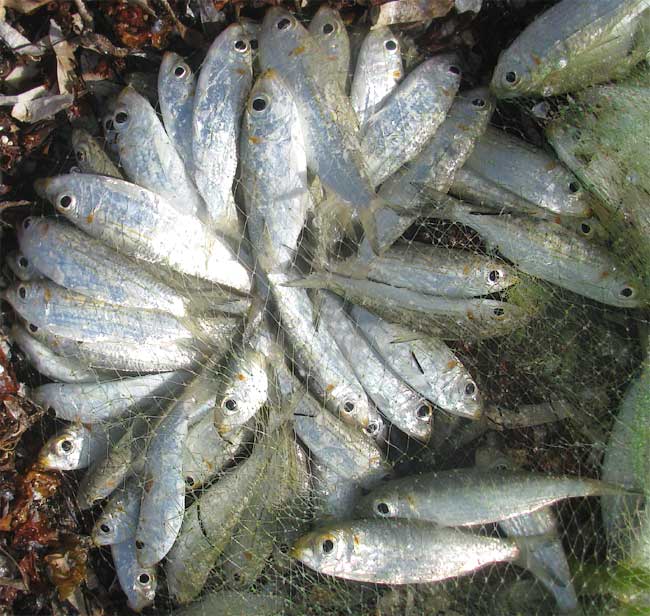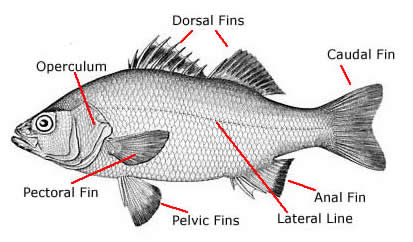
Osteichthyes or "Bony Fish": General Characteristics
Note: * Hover above images to see their names*
|
|
Here are 12 key orders within the Class Osteichthyes that we have explored:
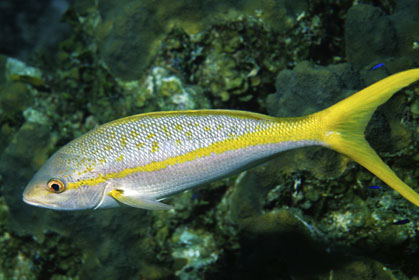
Perciformes: for fishes, perciformes is the largest order; mostly marine fish, with variation in size and bony structure, with both dorsal/anal fins
|

|
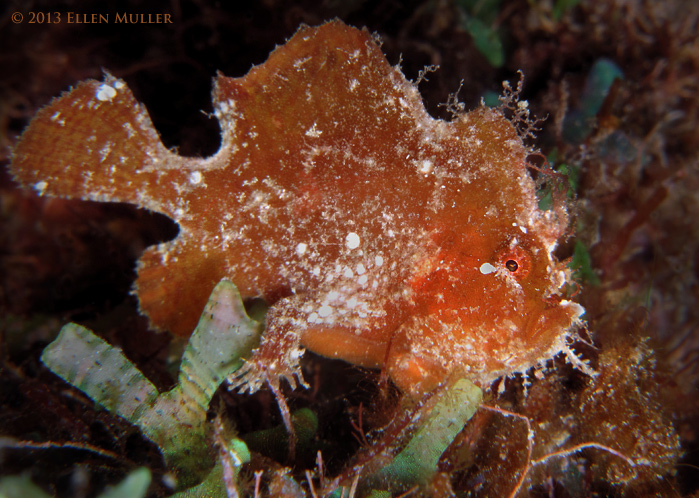
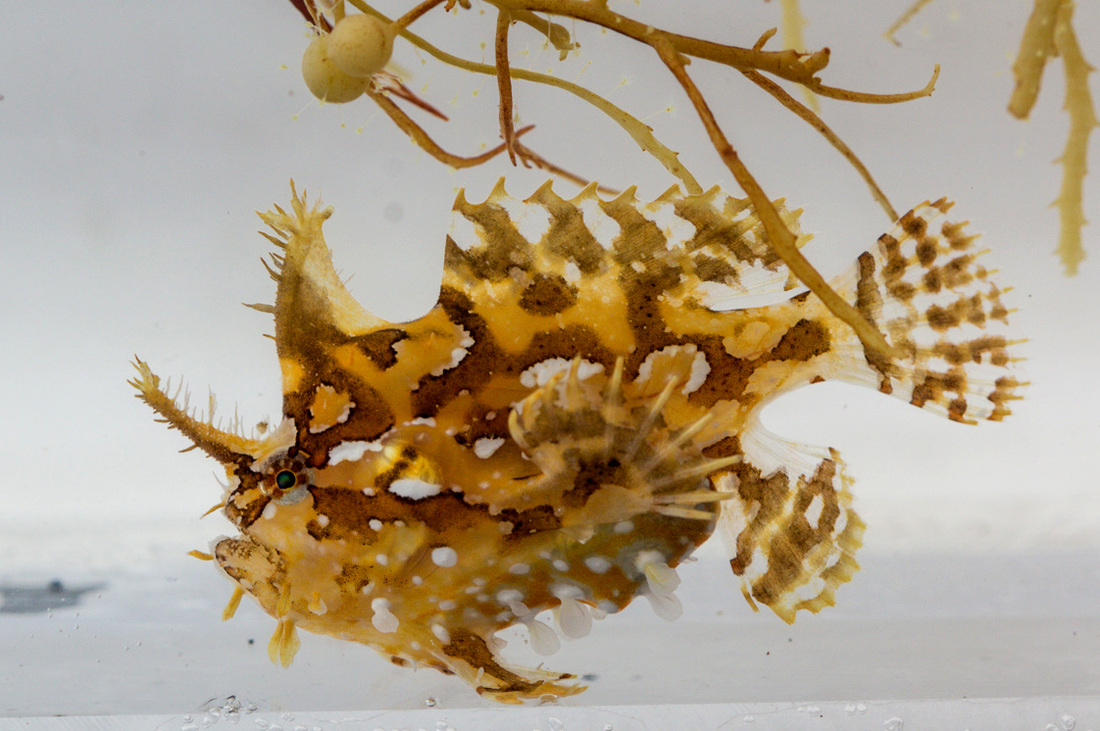
Lophiiformes: commonly called “anglerfishes” in general, with a unique dorsal-fin spike characteristic, large head/mouth are common, with many teeth in the jaw, also bony, diverse in colour and size; spinous dorsal fin located on head behind snout, and pectoral fin bases on end of “arms’” end, living in deep oceans
|
|
|
Amiiformes: characterized by the condition of their caudal vertebral region; neural and haemal arches on every other centrum; adults inhabit swampy waters of bays of warm lakes and rivers; young organisms move into deeper water or dense vegetation; long, bow shaped dorsal fins; double jaw articulation; lower jaw at two places instead of one
|
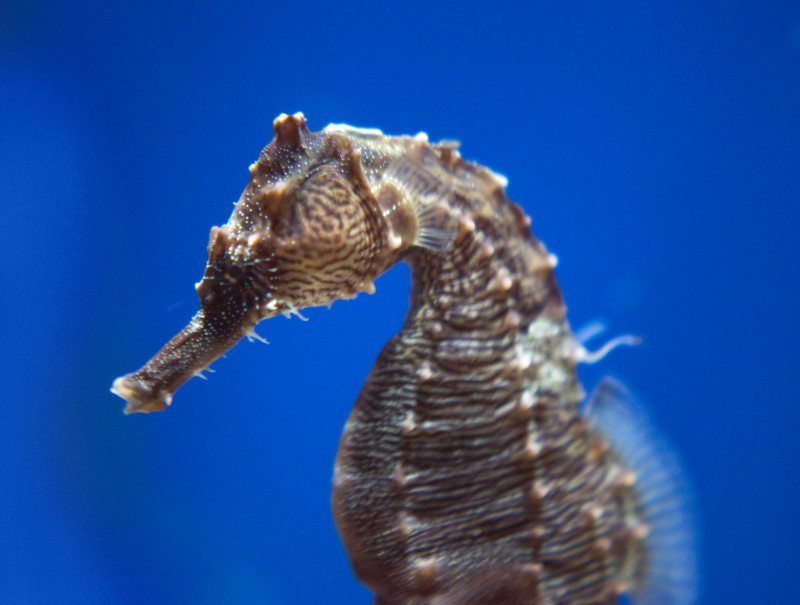
Gasterosteiformes: soft fin rays, with tubular mouths, abdomen pelvic fins, with bony rings on body/ganoid plates (that replace scales for the most part); specialized traits, many camouflage into environments, and very colourful
|
|
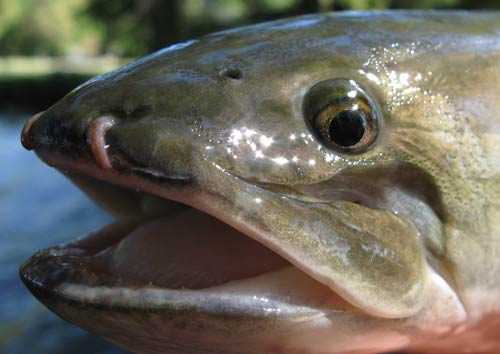
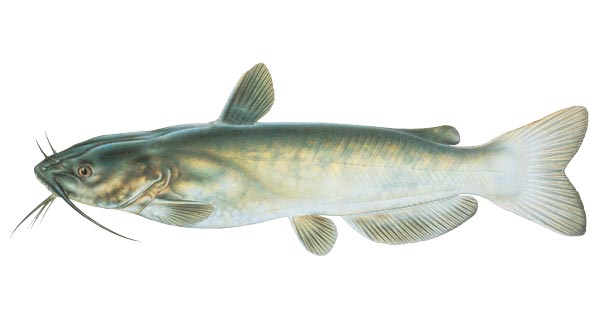
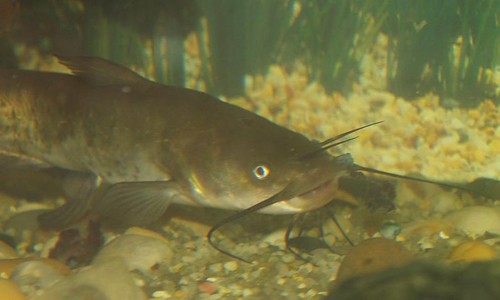
Siluriformes: commonly called catfish, with approx. 1-4 barbels (resembling whiskers) around head/mouth, with those around the mouth being the longest with taste buds to help gather food, thornlike structure with rays supporting fins and lack of scales all over
|
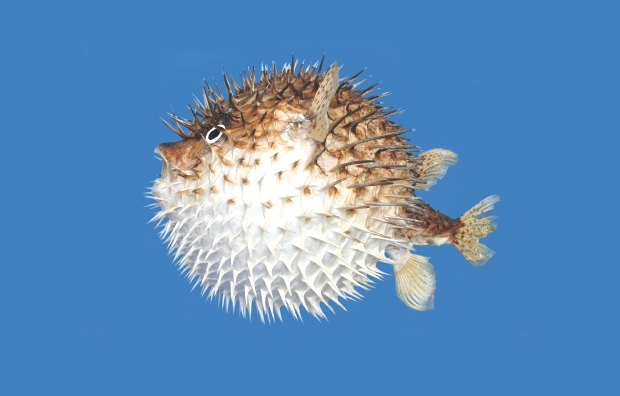
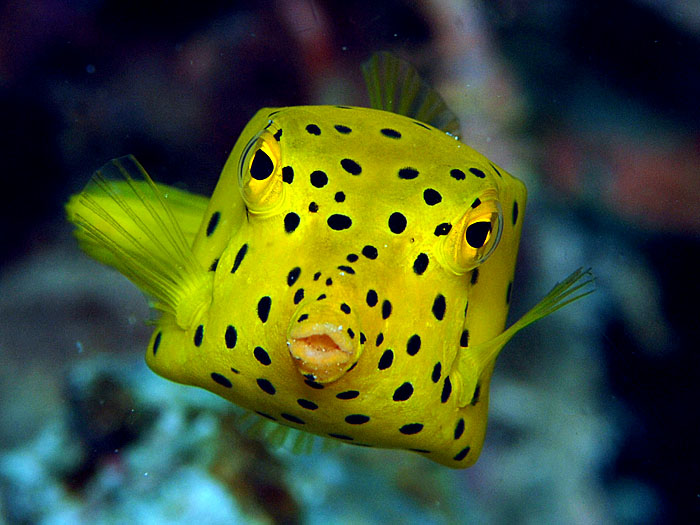
Tetraodontiformes: have fused teeth, compressed or elongated bodies; can have concave foreheads or elongated snouts; the first dorsal spine is large, silvery with yellow or pale olive colour; occur in tropics, subtropics, and temperate zones
|
|
|
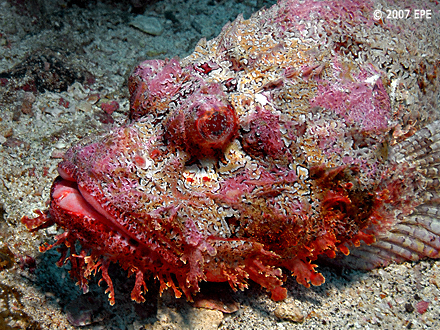
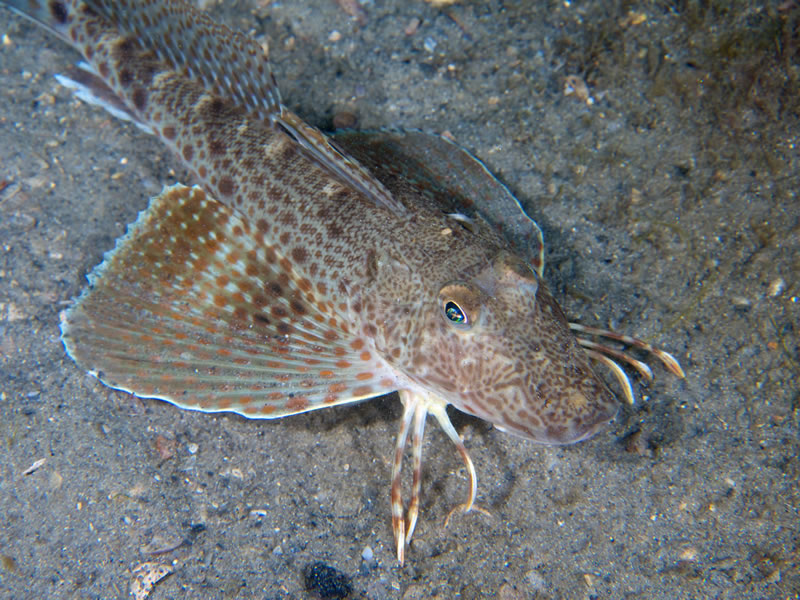
Scorpaeniformes: flatheads, flying gurnards, and scorpion fishes are mail-cheeked fishes (meaning cheeks are crossed by a bony plate); for scorpion fishes, medium in size and expanding pectoral fins, bony plates and spiny structure covering the entire body; flying gurnards with ctenoid scales on its body, pectoral fins resembling wings, and large heads; flatheads with depressed, broad heads with tenoid/cycloid scales
|
|
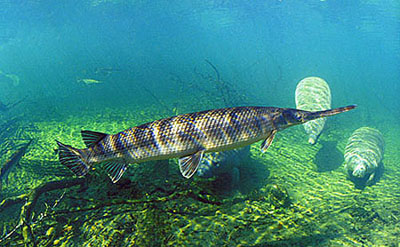
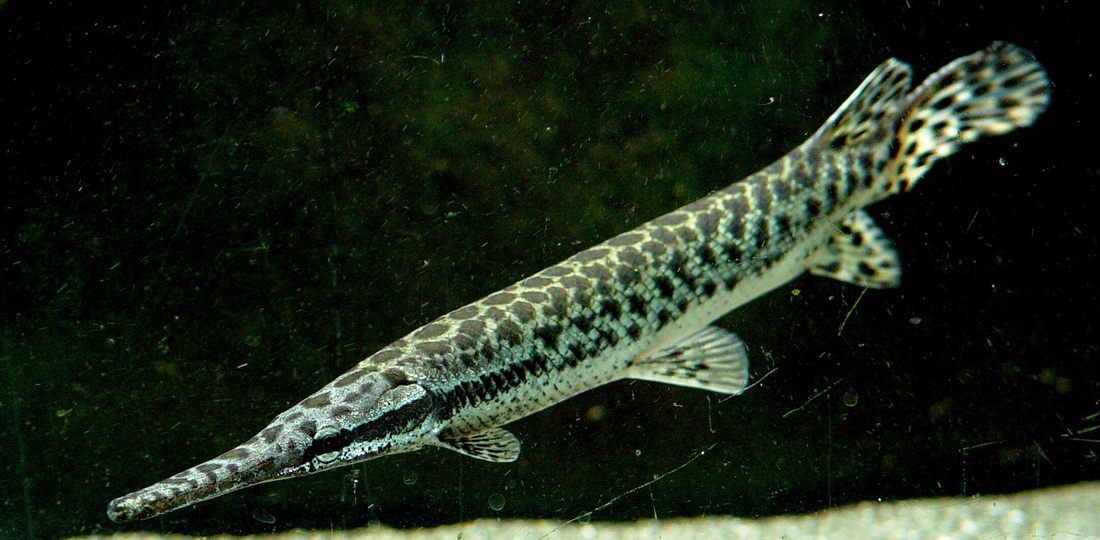
Lepisosteiformes: an elongated “bill” for the fishes is common, with dorsal fins above anal fins, a “tongue” of sorts held up by teeth plates, and other extremely small and specific details such as plicidentine teeth or opisthocoelous vertebrae
|
|
|
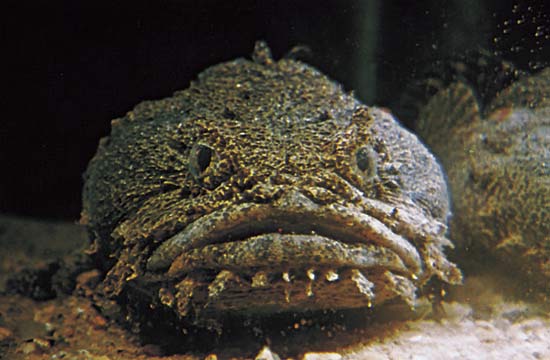
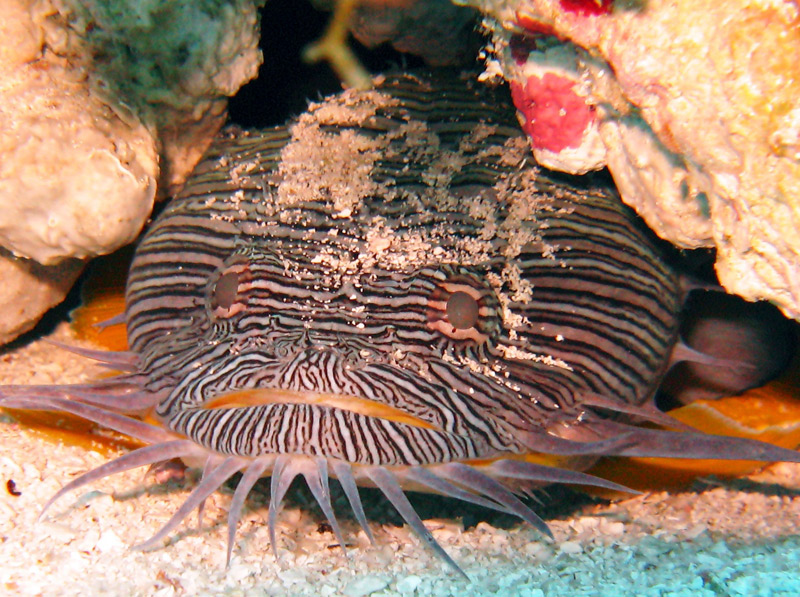
Batrachoidiformes: also known as toadfishes, small to medium in size, with wide mouths and ftat, broad heads and eyes looking up on the top of the head, with pelvic fins, 3 soft rays and 1 spine generally
|
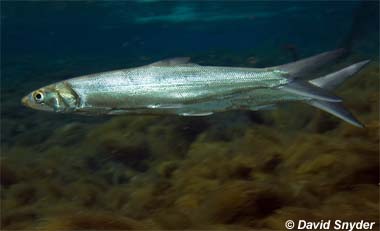
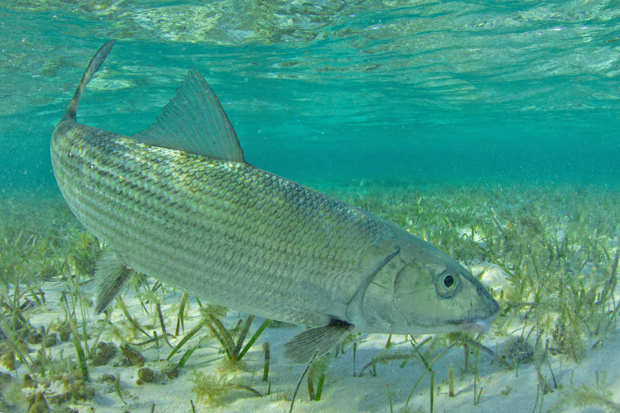
Elopiformes: primitive fishes due to bone structure similar to those of ancient fishes, silver in colour and body structure like herring fishes, and forked tails with big eyes and mouths and a gular plate located near the jaw
|
|
|
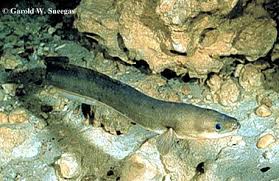
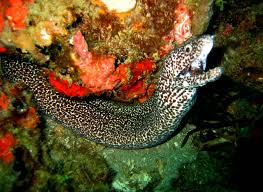
Anguilliformes: commonly known as eels or morays, and are described as limbless because they don’t have protruding fins; sleek bodies with dark-grey to black colouring, and many dorsal/anal/caudal fins
|
|
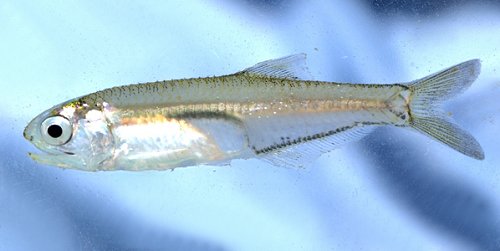
Clupeiformes: mostly very small, marine fish (smaller than 230 cm), non-specialized body forms, bodies tapering in at the end, swim very fast with “streamlined bodies”, living in offshore open waters
|
|